Policy Adjustments Influencing Prize Accumulation Mechanisms Across Mobile Reel Platforms
Written by Riley Otto · Sep 30, 2026
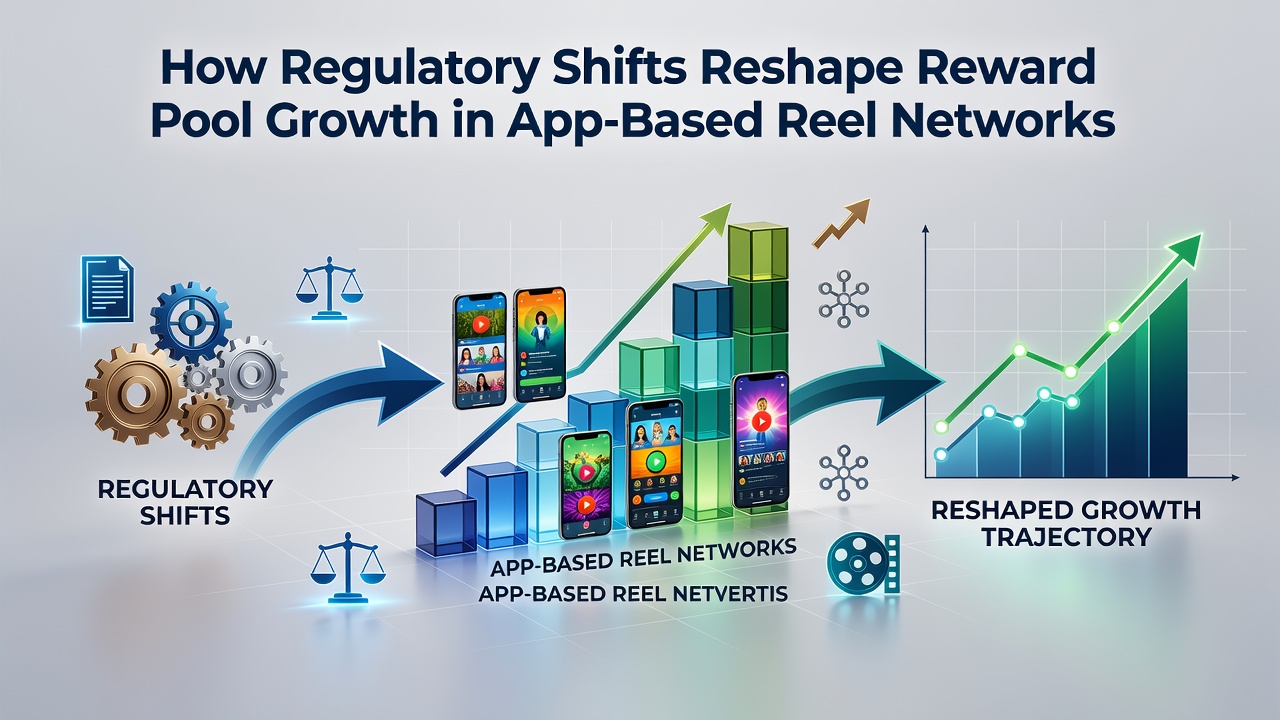
Policy Adjustments Influencing Prize Accumulation Mechanisms Across Mobile Reel Platforms
App-based reel networks operate through interconnected systems where reward pools accumulate from player contributions and operator allocations, yet evolving oversight rules across jurisdictions continue to alter these accumulation patterns in measurable ways. Governments and regulatory agencies have introduced new licensing requirements and contribution caps since early 2025, which directly affect how quickly these pools expand over time. Data from multiple regions shows that such adjustments lead to slower growth in some markets while accelerating it in others where operators adapt through diversified game offerings.
Core Mechanics of Reward Pools in Digital Reel Systems
Reward pools in these networks draw from fixed percentages of wagers placed on slot-style games, and operators must comply with rules that dictate minimum allocation rates or maximum pool sizes before payouts occur. Studies from research institutions indicate that when regulators mandate higher transparency in pool funding, operators often restructure their internal models to maintain compliance without reducing overall contributions. This restructuring frequently results in pools that grow at steadier rates rather than through sudden spikes tied to promotional events.
Regional Variations in Oversight Approaches
North American jurisdictions have implemented staggered rollout schedules for updated gaming statutes, with several states aligning their mobile platform rules to take effect around September 2026. These timelines require app developers to integrate real-time reporting tools that track pool balances, and operators in those areas report corresponding shifts in how funds flow into progressive prize tiers. Meanwhile, Australian authorities through bodies like the Australian Communications and Media Authority have emphasized consumer protection measures that limit cross-border pool sharing, leading networks to localize their reward structures and thereby influence accumulation speeds based on domestic player volumes alone.
European frameworks, particularly those from national gaming authorities outside the UK, have focused on tax implications for pooled funds, which encourages operators to adjust contribution formulas to offset new fiscal burdens. Observers note that these tax-related changes often prompt networks to expand their reel game libraries with titles that attract higher wager volumes, sustaining pool growth despite the added costs.
Documented Impacts on Pool Expansion Rates
Industry reports compiled by gaming associations reveal that jurisdictions with stricter bonus redemption caps experience slower initial pool growth during the first quarters after rule changes, followed by stabilization as operators optimize their app interfaces for sustained engagement. One analysis of synchronized data across multiple platforms found close correlations between the timing of regulatory announcements and subsequent adjustments in prize outcome frequencies, where pools in compliant networks reached target thresholds at more predictable intervals.
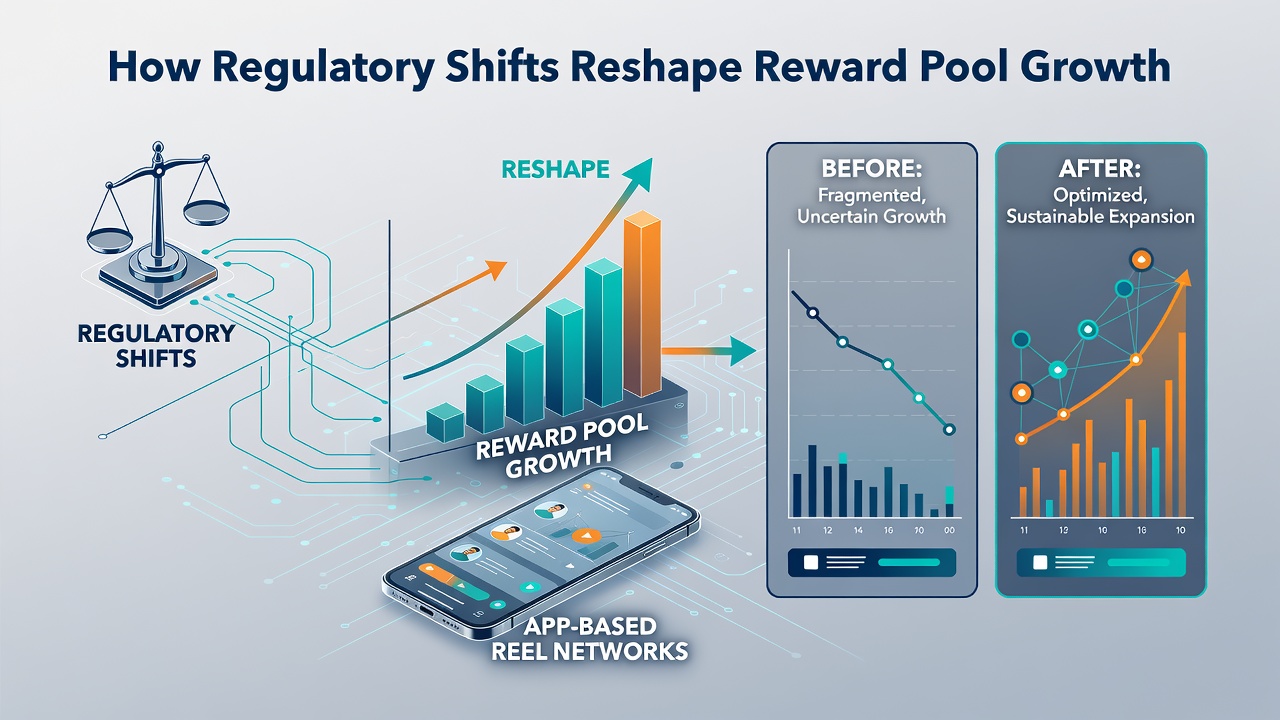
Take the example of a Canadian provincial regulator that revised its digital gaming guidelines in late 2025, requiring explicit disclosure of pool funding sources. Networks operating there adjusted their reel algorithms accordingly, and subsequent figures show an uptick in cross-platform data flows that helped maintain growth momentum even as individual contribution limits tightened. Similar patterns emerged in Asian markets where local authorities introduced player verification protocols, prompting app-based systems to refine their reward distribution models to retain competitive prize levels.
Interconnections Between Compliance and Network Architecture
App developers have responded to these shifts by enhancing backend synchronization features that allow real-time recalibration of reward pools based on jurisdiction-specific rules, and this technical evolution supports continued expansion even amid fragmented regulatory landscapes. Research papers from academic sources highlight how interface modifications, such as dynamic progress trackers visible to users, correlate with improved redemption rates that indirectly bolster pool sustainability. Those who've examined cross-platform interactions point out that networks with robust data-sharing agreements between regions often achieve more consistent growth compared to isolated systems.
Yet the reality remains that operators must navigate varying enforcement timelines, and this creates ripple effects where a single policy update in one area can influence reward pool strategies globally through shared technology stacks. Data patterns across gaming jurisdictions reveal close alignment between these compliance efforts and the overall frequency of prize distributions, as networks balance regulatory demands with player retention needs.
Conclusion
Regulatory shifts continue to reshape how reward pools expand within app-based reel networks by enforcing new allocation standards, reporting obligations, and operational limits that vary by region. Evidence from government agencies and trade organizations demonstrates measurable changes in growth trajectories, particularly around key implementation dates such as those scheduled for September 2026 in select markets. Networks that integrate adaptive technologies and diversified game selections maintain pool vitality, while the broader landscape reflects ongoing alignment between oversight frameworks and the mechanics of prize accumulation.